There’s something magical about when wedding attire becomes part of the planning process, it makes the day feel real. Whether you’ve pictured your gown for years or are just beginning to explore tuxedo styles, choosing what to wear is exciting, emotional, and an essential part of staying within your wedding budget.
Setting Your Wedding Attire Budget
Many couples are surprised to learn that wedding attire typically accounts for 8–12% of the total wedding budget, especially once accessories, alterations, and the groom’s attire are added. Starting with a realistic number helps you enjoy the experience without unexpected stress later. Brides should consider not only the dress but also the veil, shoes, undergarments, and any jewelry or hair accessories that complete the look.
Alterations alone can range widely depending on the gown’s structure. Grooms also need to factor in their suit or tux rental or purchase, shirt and tie, shoes, and grooming — because yes, that day-of haircut and beard trim counts as part of the final look.

Bridal Gown Shopping Timeline
Once you have your budget, consider timing. Experts recommend that brides start dress shopping 9–12 months before the wedding if ordering from a designer, as gowns are often made to order. Short on time? Many shops offer off-the-rack or rush options. For Columbus brides, Luxe Redux Bridal offers beautiful designer gowns available in-store, with no special ordering needed.
Grooms can choose attire 4–6 months out, with fittings closer to the date. For groomsmen, starting early helps with matching and availability. Make sure you communicate with your groomsmen as early as possible if you want their wedding-day attire to match the groom’s.

Let Your Venue and Style Guide You
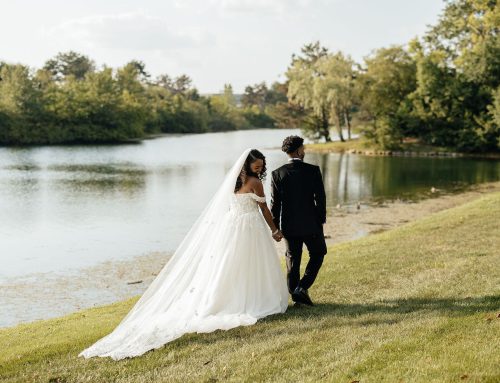
Before stepping into your first appointment, it helps to have a sense of your wedding style. This is where your venue plays a surprisingly important role. A cathedral-length veil feels at home in a ballroom, while a lightweight chiffon gown may be perfect for a garden or waterfront ceremony. Grooms may opt for a formal tuxedo in a black-tie setting, or choose lighter tones like navy or tan for outdoor or summer weddings.
Thinking about the season, the level of formality, and even the surfaces you’ll walk on — grass, stone, ballroom flooring — can influence your attire for the day.
Inspiration is part of the fun, but it’s normal to fall for something unexpected while trying on gowns or suits. Staying open-minded keeps the process enjoyable and stress-free.

Budget for Extras: Accessories, Alterations, Etc.
Extra details like steaming, preservation, accessories, rush fees, and emergency items add up. Set aside a small cushion, about 10% of your attire budget, for these costs.
Enjoy the experience and limit your entourage to supportive people. Bring snacks, take photos, and don’t hesitate to move around in your outfit; comfort matters.

Ready to Take the Next Step in Your Wedding Planning?
Choosing your wedding attire is more than checking a task off a list, it’s one of the first moments where you truly see your wedding day coming to life. The dress, the tux, and the way both look within your ceremony space and reception setting will become part of the memories you’ll revisit for years to come.
If you’re beginning wedding dress shopping and planning your wedding attire timeline, this is the perfect time to schedule a venue tour. Seeing your ceremony space in person can help you envision how your gown will move down the aisle, how your groom’s attire will complement the setting, and how your wedding colors will appear throughout the venue.
Our team would love to show you around and help connect your attire planning with the backdrop that will bring it all together. Click here to schedule your venue tour!